 Image 1 of 3
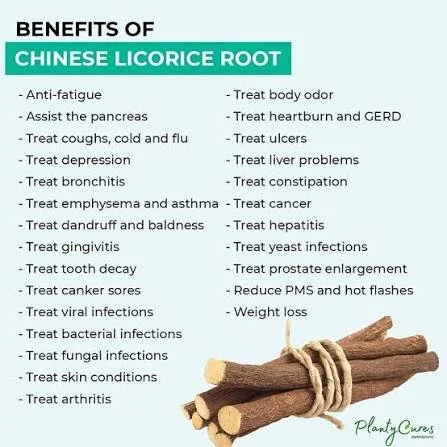 Image 2 of 3
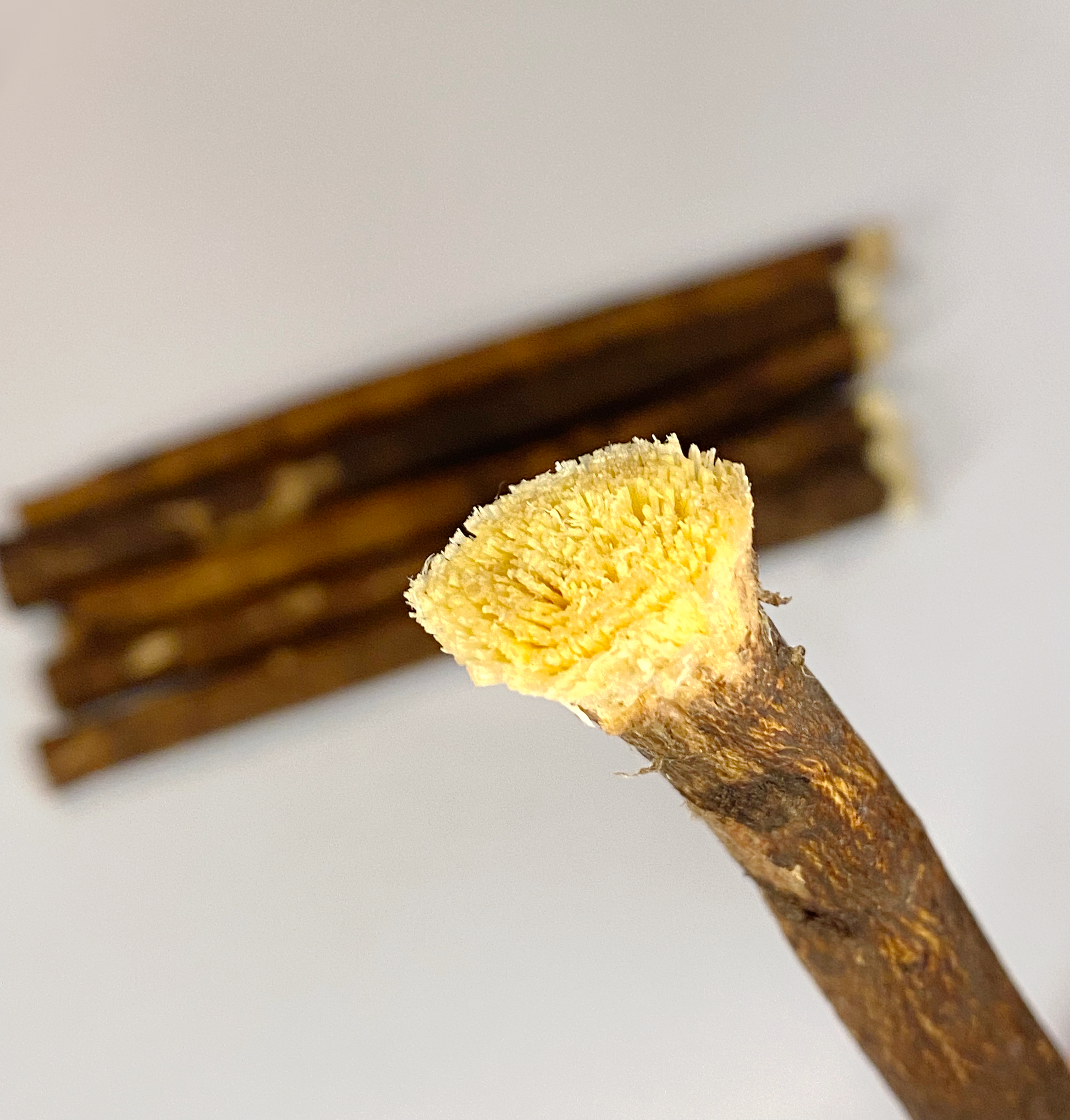 Image 3 of 3
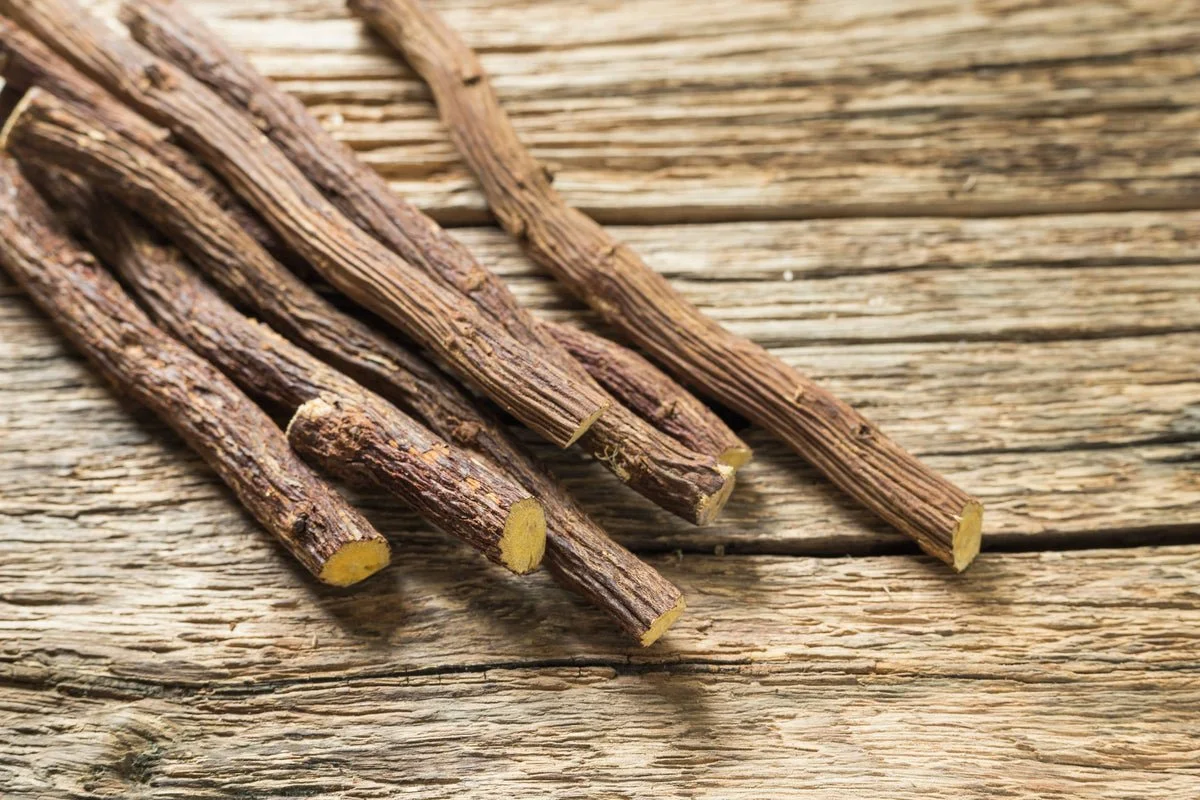
🌿 Licorice Root (Glycyrrhiza glabra)
Nature’s toothbrush. Sweet root. Strong gums.
1️⃣ Oral Health (Perfect for Your Chew Stick Marketing)
✔ Natural Antibacterial Action
Licorice root contains compounds that help reduce harmful oral bacteria linked to:
Cavities
Plaque buildup
Gum disease
Bad breath
Some studies show licorice extract reduces Streptococcus mutans (a cavity-causing bacteria).
✔ Supports Gum Health
Helps calm inflammation in the gums and may reduce:
Bleeding
Swelling
Irritation
✔ Freshens Breath Naturally
It has a naturally sweet taste (without sugar) and helps reduce odor-causing bacteria.
✔ Traditional “Herbal Toothbrush”
Used in:
Ancient Egypt
Traditional Chinese Medicine
African and Middle Eastern cultures
Chewing:
Stimulates saliva (protects enamel)
Mechanically cleans teeth
Strengthens jaw muscles
2️⃣ Digestive Support
Support your mouth and your gut — one root!
✔ Soothes the Stomach Lining
Licorice root helps coat and protect the digestive tract.
Used traditionally for:
Acid reflux
Indigestion
Heartburn
Gastritis
Stomach ulcers
There is also DGL (deglycyrrhizinated licorice) used specifically for digestive healing.
3️⃣ Immune System Support
Licorice contains compounds with:
Antiviral properties
Antimicrobial effects
Anti-inflammatory benefits
Traditionally used for:
Cold
Flu
Respiratory infections
Sore throat
It’s especially soothing as a tea for throat irritation.
4️⃣ Respiratory Support
Licorice root acts as:
An expectorant (helps loosen mucus)
A demulcent (soothes throat tissue)
Great for:
Dry cough
Bronchitis
Seasonal transitions
Singers / speakers
This could be powerful for:
Singers
Yoga teachers
Speakers
Content creators
—> Protect your voice, naturally.
5️⃣ Anti-Inflammatory Effects
Licorice contains glycyrrhizin, which may:
Help reduce inflammation
Support adrenal function
Assist during stress recovery
Some herbalists use it as an adrenal-support herb during fatigue.
6️⃣ Natural Sweetener (Sugar Alternative)
It’s naturally sweet — about 30–50x sweeter than sugar — without raising blood sugar the same way.
For the vegan/live-it audience:
Can be chewed instead of candy
Helps reduce sugar cravings
Herbal alternative to processed sweets
🌿 How Clients Can Use It
🦷 As a Chew Stick
Break off a small piece
Chew until fibers soften
Gently brush teeth with the fibrous end
Discard after use
☕ As Tea
Break into smaller pieces
Simmer 5–10 minutes
Combine with ginger, moringa, or rabbit tobacco.
🌬 For Throat Relief
Chew slowly and let juices coat throat
🍬 Sugar Craving Control
Chew instead of reaching for candy
⚠ Important Safety Note
Licorice root containing glycyrrhizin may:
Raise blood pressure (if overused)
Lower potassium levels
Not be suitable for pregnant women
Not ideal for people with heart conditions
Best practice:
• Recommend moderate use
• Not long-term daily heavy use
• Consult healthcare provider if pregnant, on medication, or managing high blood pressure.
Ingredients: Licorice Root, .25 oz/ 4-5 stick per pack
🌿 Licorice Root (Glycyrrhiza glabra)
Nature’s toothbrush. Sweet root. Strong gums.
1️⃣ Oral Health (Perfect for Your Chew Stick Marketing)
✔ Natural Antibacterial Action
Licorice root contains compounds that help reduce harmful oral bacteria linked to:
Cavities
Plaque buildup
Gum disease
Bad breath
Some studies show licorice extract reduces Streptococcus mutans (a cavity-causing bacteria).
✔ Supports Gum Health
Helps calm inflammation in the gums and may reduce:
Bleeding
Swelling
Irritation
✔ Freshens Breath Naturally
It has a naturally sweet taste (without sugar) and helps reduce odor-causing bacteria.
✔ Traditional “Herbal Toothbrush”
Used in:
Ancient Egypt
Traditional Chinese Medicine
African and Middle Eastern cultures
Chewing:
Stimulates saliva (protects enamel)
Mechanically cleans teeth
Strengthens jaw muscles
2️⃣ Digestive Support
Support your mouth and your gut — one root!
✔ Soothes the Stomach Lining
Licorice root helps coat and protect the digestive tract.
Used traditionally for:
Acid reflux
Indigestion
Heartburn
Gastritis
Stomach ulcers
There is also DGL (deglycyrrhizinated licorice) used specifically for digestive healing.
3️⃣ Immune System Support
Licorice contains compounds with:
Antiviral properties
Antimicrobial effects
Anti-inflammatory benefits
Traditionally used for:
Cold
Flu
Respiratory infections
Sore throat
It’s especially soothing as a tea for throat irritation.
4️⃣ Respiratory Support
Licorice root acts as:
An expectorant (helps loosen mucus)
A demulcent (soothes throat tissue)
Great for:
Dry cough
Bronchitis
Seasonal transitions
Singers / speakers
This could be powerful for:
Singers
Yoga teachers
Speakers
Content creators
—> Protect your voice, naturally.
5️⃣ Anti-Inflammatory Effects
Licorice contains glycyrrhizin, which may:
Help reduce inflammation
Support adrenal function
Assist during stress recovery
Some herbalists use it as an adrenal-support herb during fatigue.
6️⃣ Natural Sweetener (Sugar Alternative)
It’s naturally sweet — about 30–50x sweeter than sugar — without raising blood sugar the same way.
For the vegan/live-it audience:
Can be chewed instead of candy
Helps reduce sugar cravings
Herbal alternative to processed sweets
🌿 How Clients Can Use It
🦷 As a Chew Stick
Break off a small piece
Chew until fibers soften
Gently brush teeth with the fibrous end
Discard after use
☕ As Tea
Break into smaller pieces
Simmer 5–10 minutes
Combine with ginger, moringa, or rabbit tobacco.
🌬 For Throat Relief
Chew slowly and let juices coat throat
🍬 Sugar Craving Control
Chew instead of reaching for candy
⚠ Important Safety Note
Licorice root containing glycyrrhizin may:
Raise blood pressure (if overused)
Lower potassium levels
Not be suitable for pregnant women
Not ideal for people with heart conditions
Best practice:
• Recommend moderate use
• Not long-term daily heavy use
• Consult healthcare provider if pregnant, on medication, or managing high blood pressure.
Ingredients: Licorice Root, .25 oz/ 4-5 stick per pack